What to Expect During a Flat or Single-Ply Roof Installation
People seeking to install a single-ply roof can rely on local service providers to handle the process safely, efficiently, and with quality materials.
Understanding what to expect during a flat or single-ply roof installation can help property owners feel more prepared for the process. These types of roofing projects typically involve several key stages, from initial surface preparation to the careful application of the roofing membrane. Local contractors who specialize in single-ply roof installations prioritize efficiency and quality, ensuring that each step is handled with attention to detail. Knowing the general flow of the project can help owners plan accordingly and make informed decisions about their property’s roofing needs.
Many property owners in the area consider flat or single-ply roofing options for their durability and cost-effectiveness. When exploring this topic, it’s helpful to understand how local service providers approach the installation process, including the importance of proper surface preparation, weather considerations, and the use of quality materials. This knowledge can support property owners in choosing experienced contractors who can deliver a professional, reliable installation, giving peace of mind that their roof will serve well for years to come.
- Single-Ply Roof Installation - homeowners considering a flat roof upgrade can rely on local contractors to handle the installation process efficiently.
- Single-Ply Roof Installation - property owners replacing an aging roof can expect service providers to prepare the surface and install the membrane with precision.
- Single-Ply Roof Installation - those seeking a durable roofing solution will find local pros applying industry-standard techniques for proper adhesion and sealing.
- Single-Ply Roof Installation - clients planning for a new flat roof can anticipate a professional site assessment and careful installation to ensure longevity.
- Single-Ply Roof Installation - businesses or homeowners upgrading to single-ply systems can trust local contractors to manage the installation with attention to detail.
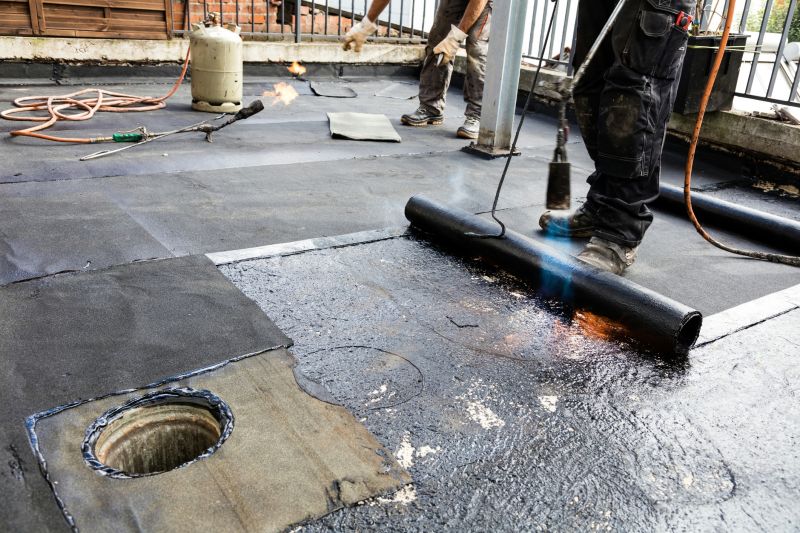
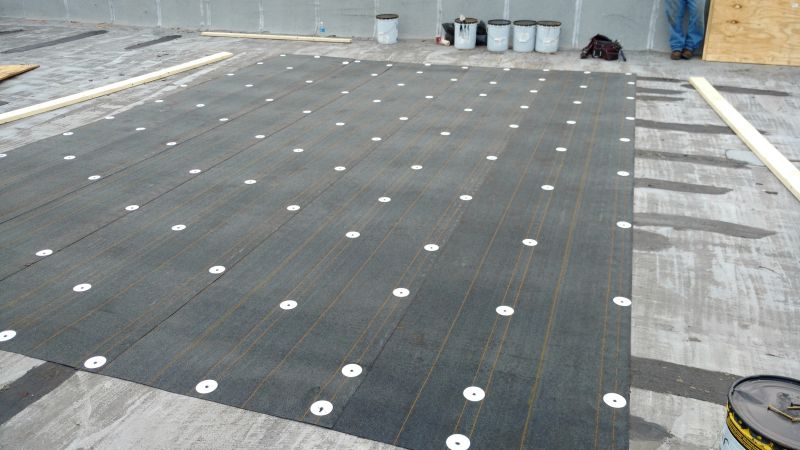
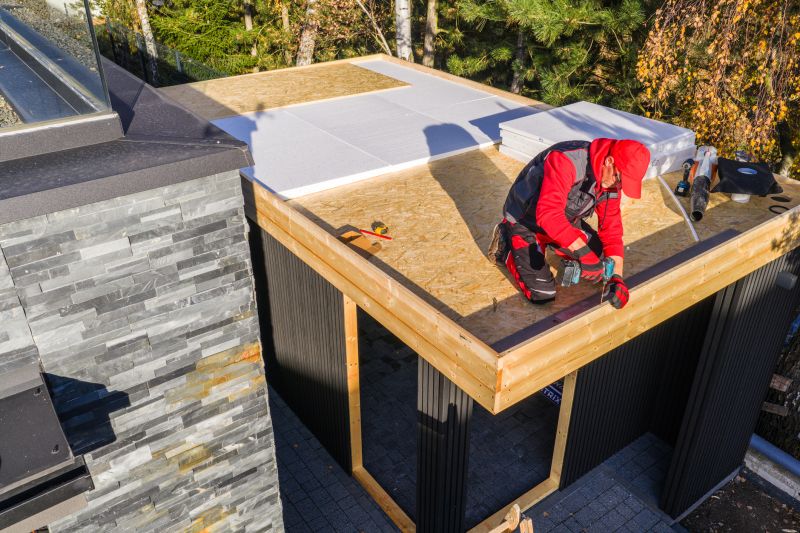
When homeowners search for what to expect during a flat or single-ply roof installation, they are typically looking for a clear understanding of the process involved in replacing or installing this type of roofing system. Flat roofs are common on commercial buildings, but many residential properties also feature flat or low-slope roofs. The installation process often involves removing the existing roofing material, inspecting the underlying structure, and then applying the new single-ply membrane. Homeowners want to know how long the project might take, what steps are involved, and what potential disruptions or considerations they should anticipate during the work.
This type of roofing project is frequently connected to property upgrades, repairs, or new constructions where a durable, weather-resistant surface is needed. Problems such as leaks, ponding water, or aging roofing materials often prompt homeowners to consider a flat or single-ply roof replacement. Additionally, plans for energy efficiency improvements or modernized roofing systems can drive the decision to install this type of roofing. When searching about what to expect during a flat or single-ply roof installation, property owners are usually seeking reassurance about the quality of work, the materials used, and how the installation will address existing issues or future needs.
The properties that come up in discussions about flat or single-ply roof installation tend to include commercial buildings, warehouses, and industrial facilities, but many residential homes with flat or low-slope roofs are also part of the conversation. These properties often have specific structural considerations, such as limited space for traditional roofing systems or the need for a lightweight, flexible membrane. Homeowners with multi-story apartment complexes or townhouses might also be exploring this option. Understanding the types of properties involved helps clarify what the installation process entails and what local service providers can do to ensure a proper fit for each unique project.
When exploring what to expect during a flat or single-ply roof installation, it’s important to recognize the role of local contractors who specialize in this work. These service providers are experienced in handling the unique challenges associated with flat roofing systems, including preparation, membrane application, and finishing details. They can assess the specific needs of a property, recommend suitable materials, and execute the installation efficiently. Homeowners benefit from connecting with local pros who understand the common issues, building codes, and best practices for flat or single-ply roofing projects, ensuring the process aligns with their property’s requirements and future plans.
Commercial roofing projects - these often involve flat or low-slope roofs that require similar planning, materials, and installation techniques as single-ply roof systems.
Roof membrane replacement - replacing worn or damaged roofing membranes involves similar surface preparation and membrane handling skills as flat roof installations.
PVC or TPO roofing installations - these single-ply membrane systems share installation processes, tools, and planning considerations with other flat roofing projects.
Roof insulation upgrades - upgrading or installing insulation under flat roofs requires precise planning and surface preparation similar to single-ply roofing work.
Lightweight roofing system installations - installing lightweight roofing materials for flat or low-slope roofs involves similar techniques and planning as single-ply membrane projects.
Roof leak repairs on flat roofs - identifying and repairing leaks on flat roofing systems requires skills in membrane inspection and repair, related to the installation process.
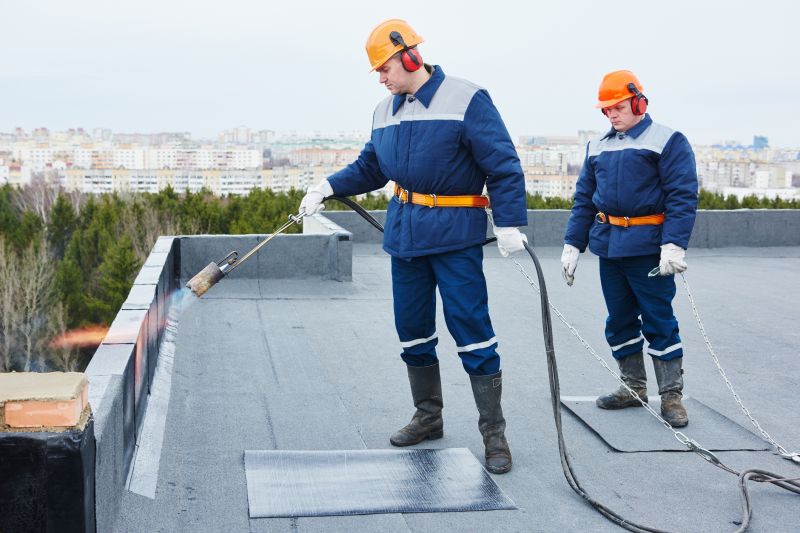
When evaluating service providers for a single-ply roof installation, it is important to consider their experience with similar projects. Homeowners should seek out local contractors who have a proven track record of successfully completing flat or single-ply roofing jobs. An experienced professional will be familiar with the specific requirements and challenges associated with this type of roofing, helping to ensure the installation process goes smoothly and meets industry standards. Asking for details about past projects or viewing portfolios can provide insight into a contractor’s familiarity with single-ply systems and their ability to handle the unique aspects of each job.
Clear, written expectations are essential for a successful roof installation. Homeowners should look for local service providers who are willing to provide detailed project descriptions, including scope, materials, and any necessary preparations. Transparent communication about what the installation entails helps prevent misunderstandings and sets realistic expectations for the process and outcomes. Service providers who clearly outline their approach and answer questions thoroughly demonstrate professionalism and a commitment to keeping clients informed throughout the project.
Reputable references and good communication are key factors when comparing local contractors for a flat or single-ply roof installation. Homeowners can request references from previous clients to gain insights into the contractor’s reliability, quality of work, and adherence to timelines. Additionally, responsive and clear communication during initial discussions can indicate how well a service provider will keep clients informed during the project. Choosing a contractor who values transparency and maintains open dialogue can lead to a more positive experience and a better understanding of what to expect during the installation process.
Property owners often search for what to expect during a flat or single-ply roof installation when they are planning practical projects around their homes and businesses. Local pros provide Single-Ply Roof Installation services for everyday jobs and straightforward project options.
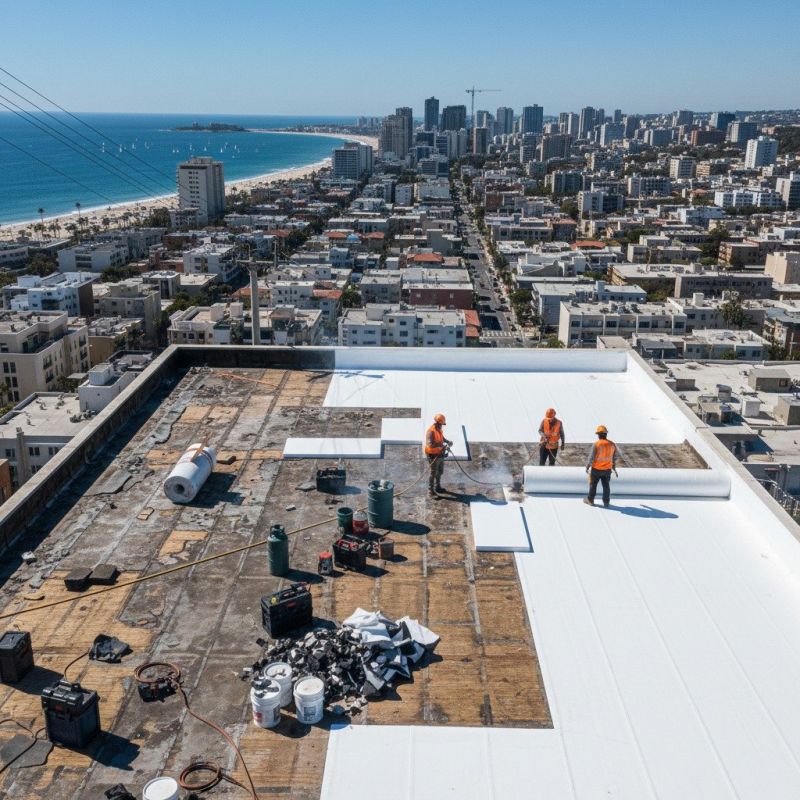
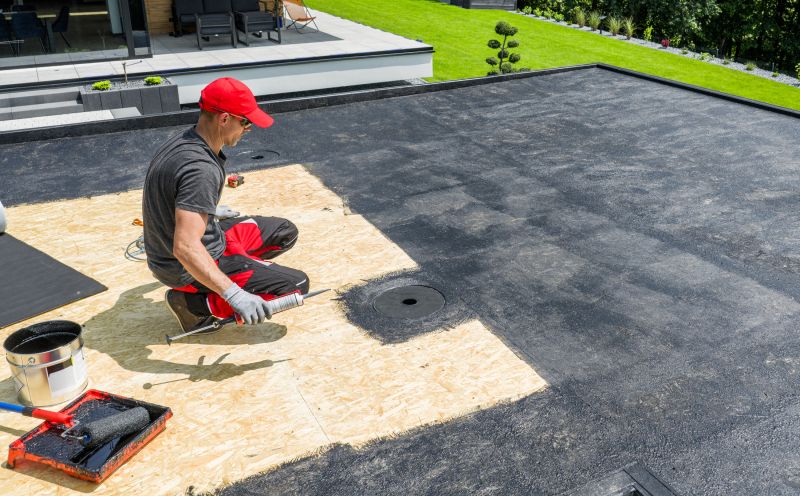
During a flat or single-ply roof installation, property owners can generally expect a straightforward process that involves preparation, installation, and final inspection. On installation day, local contractors typically arrive prepared to remove any existing roofing materials and set up the workspace to ensure safety and efficiency. The process often begins with surface cleaning and minor repairs to ensure a smooth foundation. Once the surface is ready, the new single-ply membrane is carefully laid out, sealed, and secured to provide a durable, weather-resistant roof. While the work is in progress, property owners might notice workers moving around the roof, using specialized tools, and making sure each section is properly sealed to prevent leaks.
Understanding what to expect during a flat or single-ply roof installation can help property owners prepare for the project. Most installations involve some degree of noise, debris, and temporary disruption, but local service providers aim to keep these to a minimum. After the membrane is installed, a thorough inspection is usually performed to confirm that all seams are sealed correctly and the roof is properly secured. Once completed, property owners can generally expect a clean worksite and a roof that is ready to withstand the elements. Connecting with local contractors experienced in single-ply roofing can provide clarity on each phase of the project and ensure the installation meets the property's specific needs.
What is the typical process during a flat or single-ply roof installation? During a flat or single-ply roof installation, local contractors usually start with surface preparation, then install the roofing membrane, and finally perform any necessary flashing and sealing to ensure a durable, watertight roof.
How do contractors ensure proper adhesion of the roofing membrane? Local service providers use specialized adhesives or heat-welding techniques to secure the membrane, ensuring it bonds properly to the roof surface and provides a long-lasting seal.
What kind of surface preparation is involved before installation? Preparation may include cleaning the existing roof deck, repairing any damage, and installing a primer or insulation layer to promote proper adhesion and performance of the single-ply membrane.
What steps are taken to prevent leaks during installation? Contractors carefully install flashing, seal all seams, and perform thorough inspections throughout the process to minimize the risk of leaks and ensure the integrity of the roof.
What should homeowners expect once the installation is complete? After installation, local pros typically conduct a final inspection, clean the work area, and provide guidance on any immediate maintenance or care needed to maintain the roof’s performance.
Preparation Process - property owners might see how local contractors prepare the roof surface to ensure proper adhesion and a smooth installation. Material Selection - understanding the different single-ply membrane options can help property owners choose the best solution for their building. Installation Steps - observing the typical phases of installing a flat or single-ply roof can help owners plan around potential disruptions. Post-Installation Care - learning what to expect after installation can guide property owners in maintaining their new roof and identifying early signs of issues.
If you are thinking about what to expect during a flat or single-ply roof installation for a property, this guide is meant to help you understand this topic, the typical project types, and how different options might fit your plans.
When you are ready, you can use the quote form on this page to share a few details about your project. From there, local pros can review the basics and follow up with options that match what you have in mind.